by Eric Weuve
The weather conditions over the past few weeks have certainly slowed the pace of harvest across Iowa. They also have created several challenges that producers should be aware of before returning to the hustle and bustle of the fall harvest season.
Along with less-than-ideal field conditions and agronomic concerns resulting from recent rainfall, producers should be asking themselves these questions:
- How might this affect my crop insurance coverage?
- Do I need to do anything differently this year?
Report issues early
If you believe yields may fall below your guarantee, harvest will be delayed or grain quality issues are developing, it may be worth a call to your crop insurance agent. Producers generally must report a loss within 72 hours of discovering damage, and no later than 15 days after the end of the insurance period.
I would encourage producers to contact their agent and ask whether there are any harvest guidelines or reporting requirements specific to their policy.
For those carrying hail coverage in addition to a multi-peril crop insurance policy, there may be additional steps necessary to fully apply available coverage options. In some situations, an adjuster may need to inspect the crop before harvest begins.
One example is Extra Harvest Expense coverage, a feature many producers do not realize they have. EHE can provide additional compensation, often up to 8% of the hail coverage amount, when extra harvest costs are incurred due to crop damage resulting in poor standability, lodged corn or other harvest challenges.
Keep documentation in mind
Documentation will be essential throughout harvest and into the claims settlement process.
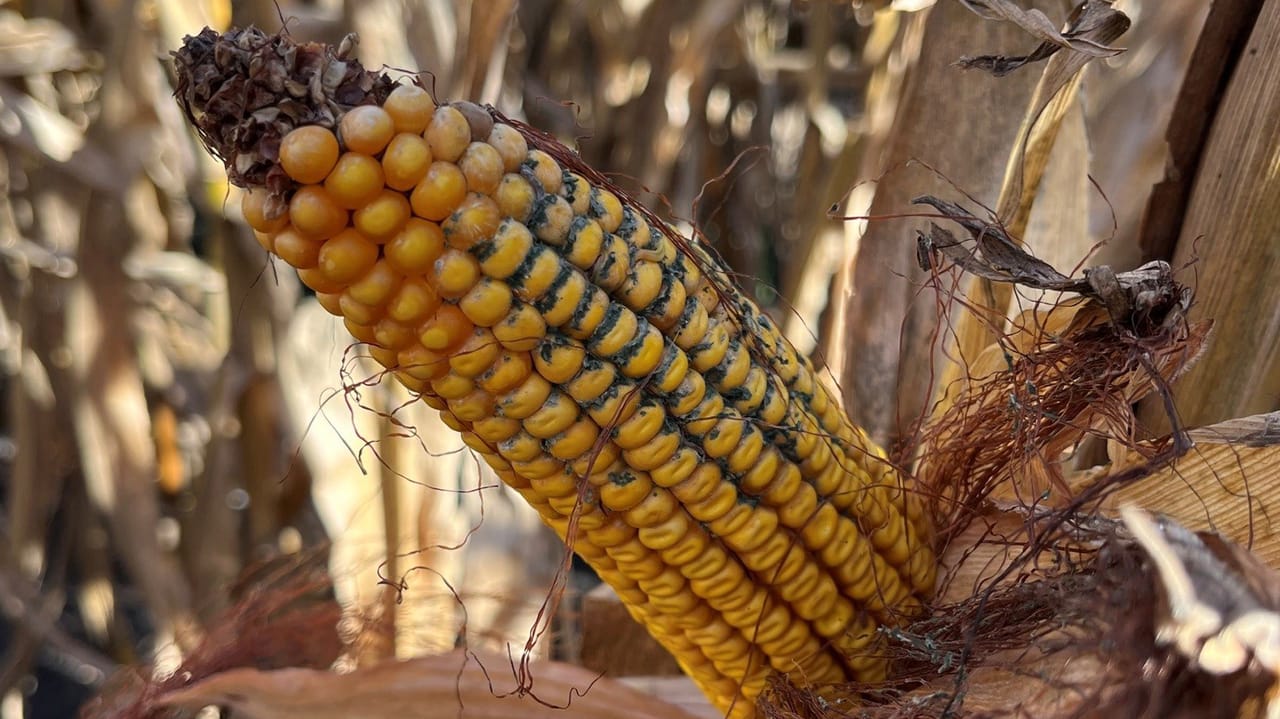
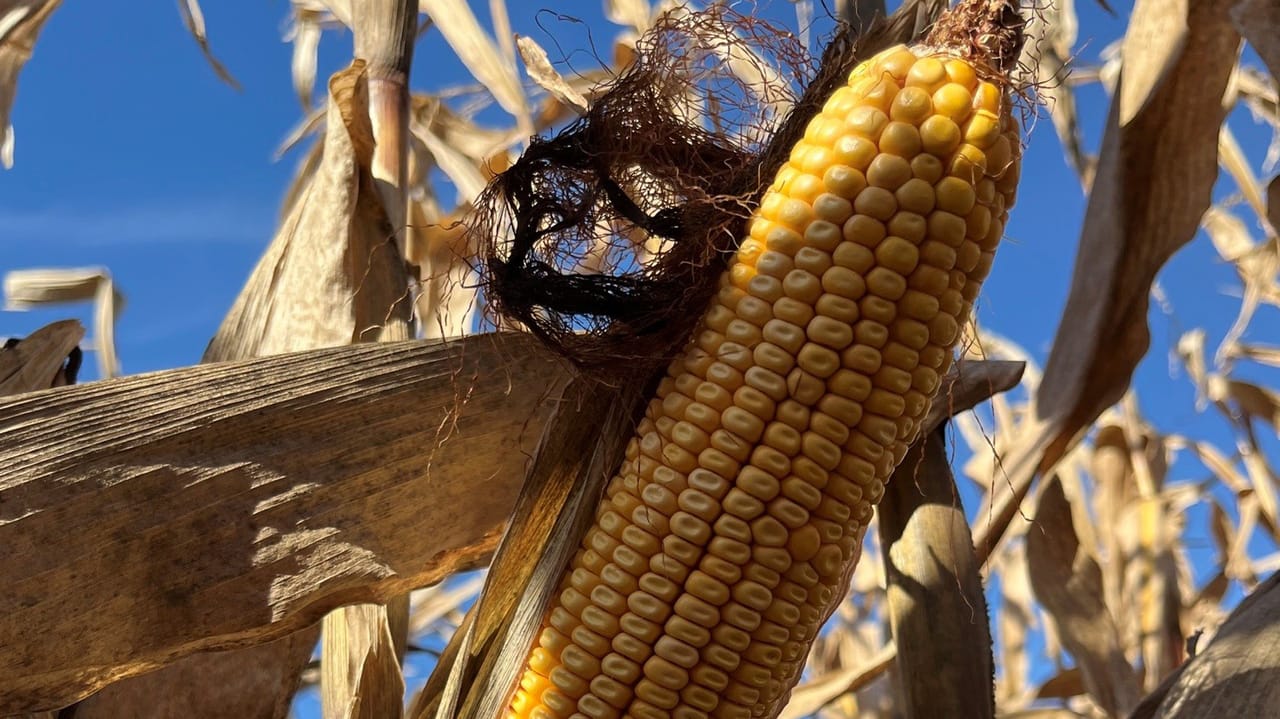
Producers should consider taking photographs or videos of field conditions that may be affecting harvest, including standing water, lodged crops, stalk deterioration or ear rot. In addition, maintaining organized records such as grain settlement sheets, moisture test results, yield monitor data, harvest dates and field notes can help support production and quality-loss claims.
Quality issues matter. Wet harvest conditions can contribute to problems such as:
- low test-weight grain
- ear mold and mycotoxins
- stalk quality concerns
- lodging losses
- sprout damage
- excessive foreign material
Depending on the policy and crop provisions, some of these losses may need to be documented and adjusted prior to harvest. Waiting until after harvest may limit the ability to document losses accurately or affect eligibility for certain indemnity payments.
Remember these tips
As harvest continues, I encourage producers to adhere to these four important reminders:
- Contact your insurance agent early if any type of loss is expected, and ask about harvest guidelines that may apply to your coverage.
- Keep detailed records, including photos, videos and harvest documentation.
- Preserve grain samples whenever quality concerns exist.
- Harvest in a manner that allows losses to be accurately measured and documented, while taking reasonable steps to minimize additional damage.
A brief conversation with your crop insurance agent before harvest can help ensure you understand your coverage and avoid missing opportunities or requirements that could affect a future claim.
Weuve is a farm management specialist for Iowa State University Extension and Outreach.